

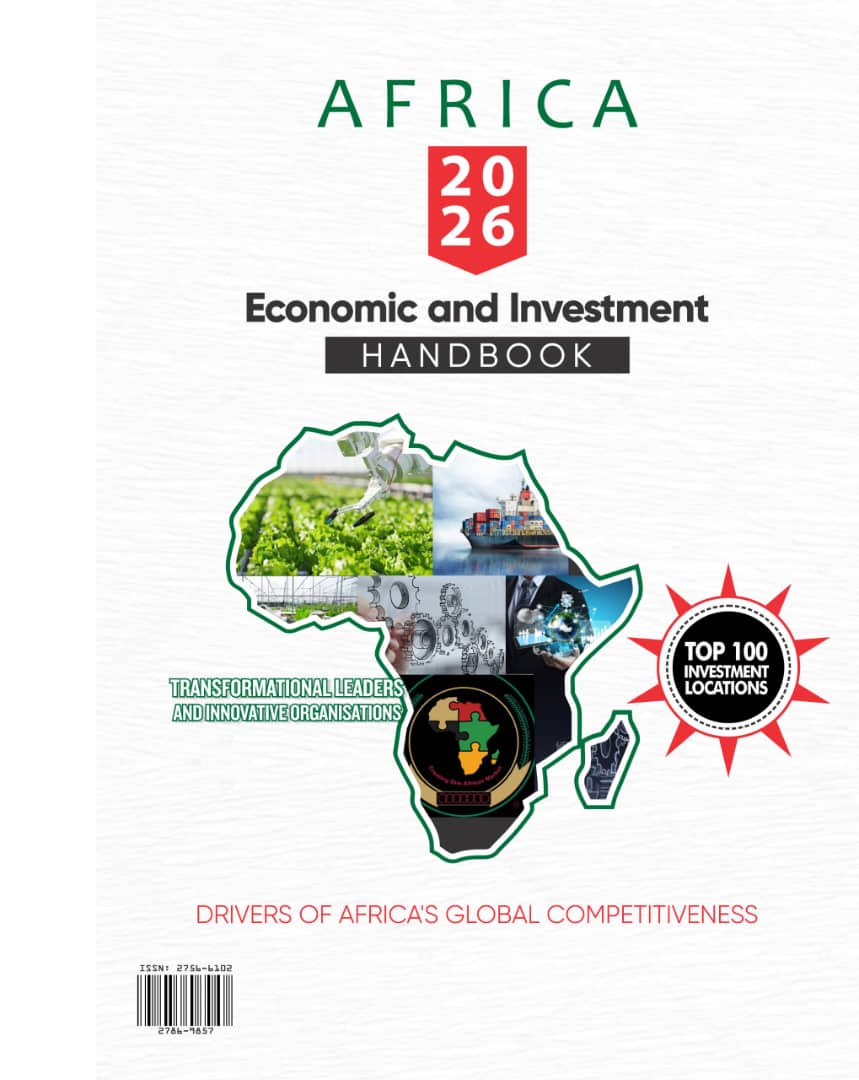
The quest for Africa’s global competitiveness is characterized by both significant challenges and transformative opportunities. While the continent boasts a wealth of human and natural capital, issues such as infrastructure deficits, political instability, and over-reliance on commodity exports have historically hindered its progress. However, key initiatives and demographics present an immense potential for Africa to become a formidable global player.
Challenges to global competitiveness
Infrastructure deficits: Insufficient investment in transport, energy, and digital infrastructure drives up trade costs and restricts economic integration. Over half of Africans lack reliable electricity, and closing the energy gap requires an estimated $190 billion annually.
Over-reliance on commodities: Many African economies are vulnerable to volatile global markets because they depend heavily on a few commodity exports for revenue. This makes them susceptible to price shocks and hinders economic diversification.
High debt burdens: Excessive debt accumulated through poorly managed projects and emergency borrowing threatens the economic sovereignty and stability of many nations.
Human capital underdevelopment: Despite a large youth population, low levels of education, limited access to quality healthcare, and a persistent digital divide cripple competitiveness.
Weak value chains and trade barriers: Intra-African trade is limited by inefficient customs processes, technical requirements, and other non-tariff barriers that increase the cost of doing business. This prevents the development of robust regional supply chains.
Opportunities for enhancing global competitiveness
Demographic dividend and innovation: Africa has the world’s youngest population, a potential driver for digital transformation, entrepreneurship, and innovation. An expanding consumer base and growing labor force offer significant opportunities for sustained growth.

Regional integration: The African Continental Free Trade Area (AfCFTA) is a crucial initiative for boosting intra-African trade and creating a single market of 1.4 billion people. It will enhance supply chain integration, strengthen resilience, and reduce dependency on global markets.
Green energy leadership: Africa has massive potential for renewable energy, including solar, wind, and hydroelectric power. Investment in this sector can address energy insecurity and position the continent as a leader in the global green energy transition.
Strategic management of natural resources: Africa possesses key minerals vital for global industries, such as cobalt and lithium. Improving governance around resource management can ensure these resources drive sustainable, long-term economic development rather than just short-term gains.
Technological leapfrogging: While facing a digital divide, African countries can leverage mobile technology and fintech to “leapfrog” traditional infrastructure. This enables innovation in financial services and other sectors.
Focus on value-added activities: Moving beyond raw commodity exports to processed and semi-processed goods will enable African economies to capture more value in global supply chains. This is a key pathway to industrialization and job creation.