

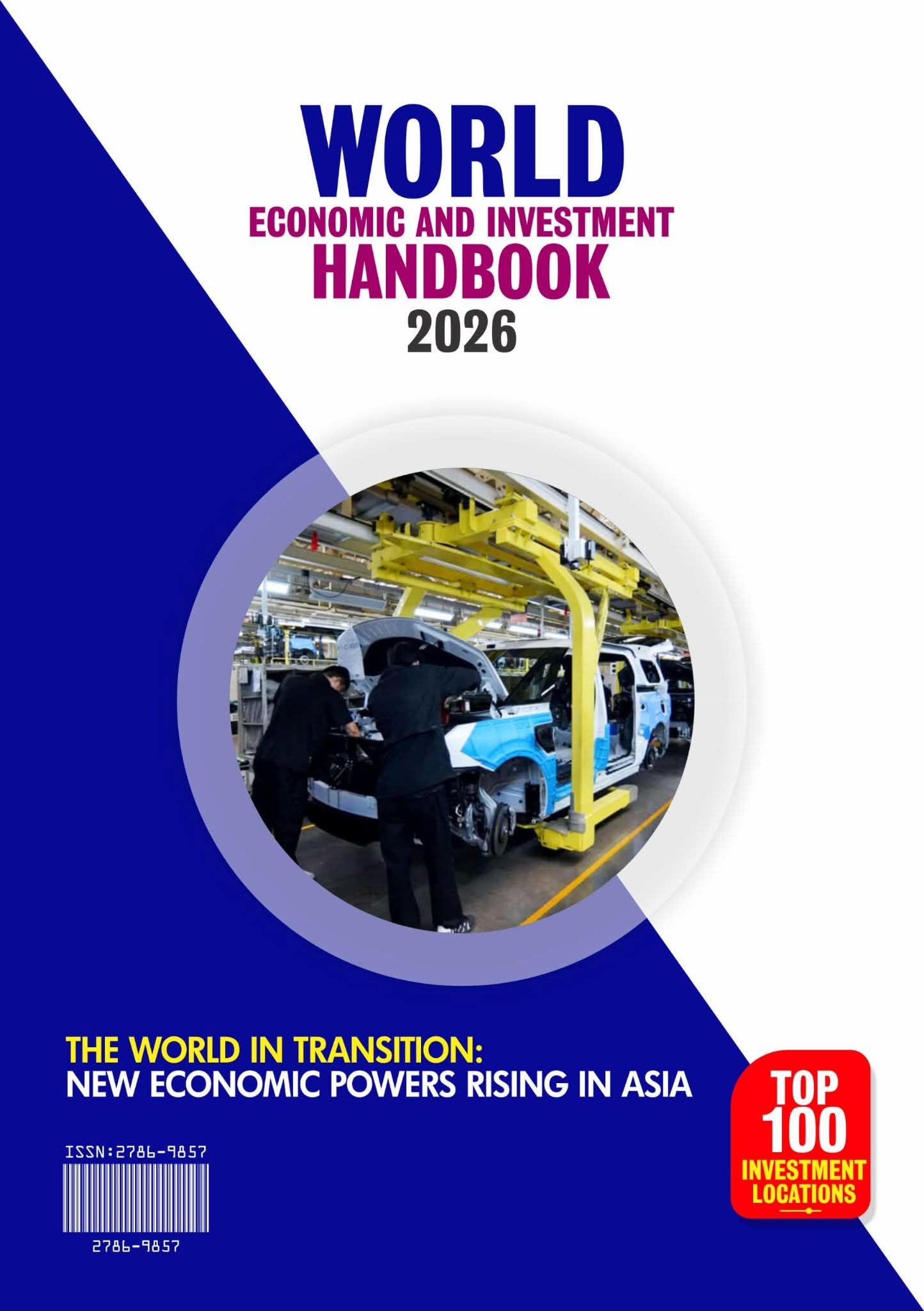
THE WORLD IN TRANSITION AS NEW ECONOMIC POWERS ARE RISING IN ASIA
The global economy is in a transition driven by several key and interconnected factors: geopolitical shifts and the fragmentation of trade, rapid technological advancement, the urgent push for decarbonization and sustainability, and significant demographic changes.
Geopolitical and Economic Shifts
Geopolitical Realignment: The rise of new economic powers, particularly in Asia, is shifting the world’s economic “center of gravity” from Western regions. This has led to increased regional trade blocs, economic nationalism, and a more multipolar world order, moving away from hyper-globalization.
Trade Fragmentation and Reshoring: The COVID-19 pandemic and geopolitical rivalries exposed vulnerabilities in extended, just-in-time supply chains, leading companies and nations to prioritize resilience through “friend-shoring” or “near-shoring” (moving production to politically aligned or nearby countries). This has increased trade barriers and policy uncertainty.
Debt and Inflation: High levels of global public debt, partly from pandemic-era stimulus, combined with supply-side constraints and rising energy prices, have fueled persistent inflation and an era of higher interest rates. This raises the cost of capital and dampens consumer demand.
Technological Revolution
AI and Automation: Technological innovations, especially in artificial intelligence (AI), automation, and digitalization, are profoundly transforming industries, enhancing productivity, and creating new business models. These advancements also pose challenges such as workforce displacement and the need for upskilling and reskilling.
Digital Infrastructure: Robust digital infrastructure is now a baseline requirement for economic competitiveness, with innovations in fintech, e-commerce, and data processing reshaping financial services, retail, and logistics.
Decarbonization and Sustainability
Energy Transition: The global push for net-zero emissions is accelerating the shift toward renewable energy sources and low-carbon technologies. This transition creates opportunities in green sectors but also risks for fossil-fuel-dependent economies (potential stranded assets) and challenges related to securing critical minerals for new technologies.
Climate Impacts: The physical impacts of climate change, such as extreme weather events, are causing economic damage and creating persistent inflationary pressures on energy and food prices.
Demographic Shifts
Aging Populations: Many advanced economies face the challenge of aging populations and falling birth rates, which strains public finances (pensions, healthcare) and alters labor market dynamics.
Workforce Dynamics: The normalization of remote and hybrid work has globalized the labor market, allowing businesses to tap into worldwide talent pools. The development of human capital through education and training is crucial for adapting to these new labor market demands.
These factors interact in complex ways, creating both significant opportunities and risks that require strategic adaptation and international cooperation from policymakers and business leaders.