

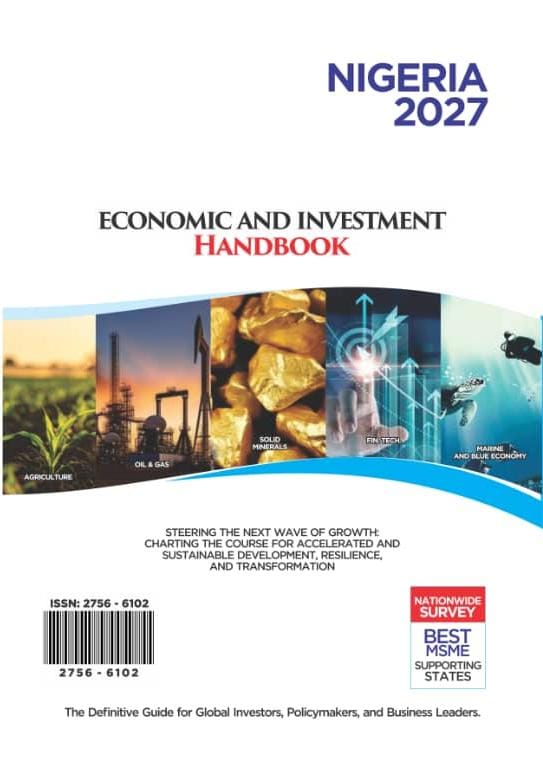
Nigeria Economic and Investment Handbook turns macro-level data into actionable steps for Nigerians by mapping high-growth sectors, explaining tax incentives, and outlining entry rules.
High-Growth Sectors & Opportunity Mapping
- Core and Emerging Sectors: Breaks down opportunities across agriculture (cocoa, cassava, yams), oil and gas, solid minerals/mining, manufacturing, telecommunications, financial services, technology, and entertainment.
- Regional Trade Angles: Highlights export and supply-chain opportunities tied to regional frameworks like ECOWAS and the African Continental Free Trade Area (AfCFTA), alongside 26 operational Free Trade Zones.
- Capital Market & Wealth Options: Connects real-economy themes to accessible financial instruments—such as money market funds, fixed-income/bond funds, REITs, and Nigerian Exchange (NGX) equities—for retail and institutional investors.
Tax Reliefs and Government Incentives
- Pioneer Status & Tax Holidays: Identifies qualifying sectors and new/expanding industries eligible for tax holidays or export incentives.
- Development Finance and Grants: Points domestic businesses toward development finance institutions (such as the Bank of Industry) and research/raw-material grants.
- Zone & Location Perks: Details exemptions and duty/tax advantages available inside Free Trade Zones or rural/targeted locations.
Step-by-Step Execution and Compliance
- Tax & Operating Rules: Summarizes baseline obligations (such as Companies Income Tax, VAT, and Withholding Tax) so investors can model net returns before committing capital.
Practical Checklist for Nigerians Using the Handbook
Pick a vehicle: Decide whether you are launching an operating business/SME or investing passively via money market funds, bonds, or NGX stocks/ETFs.
Verify incentives early: Check sector eligibility for pioneer status, development bank lending, or Free Trade Zone benefits before finalizing your budget.
Complete compliance and custody setup: Register your entity with CAC (or open SEC-regulated brokerage/CSCS accounts for securities) and factor in applicable taxes and fees.